Going to visit Japan, and don’t know whether to pack a coat or not? Or maybe you’re going to live there, and you want to know what to expect year round.
Well, here’s the breakdown:
January-February
In these months, you can expect the temperatures to be cold, but only moderately, as temperatures may never reach below zero degrees Fahrenheit. However, the air is humid, and even 30 degrees Fahrenheit can feel really cold. Humidity makes the cold go straight through your coat, so I suggest you invest in a good one that also acts as a good windbreaker.
As far is snow is concerned, that will entirely depend on where you are! In the coastal areas, such as the metro areas of Tokyo and Yokohama, you won’t get too much.

In the mountainous areas, such as Yamanashi Prefecture, Niigata, and many areas of Northern Japan, you can expect to get a lot more snow!
Verdict: Not too cold, but it is humid.
So it still feels pretty dang cold.
March-May
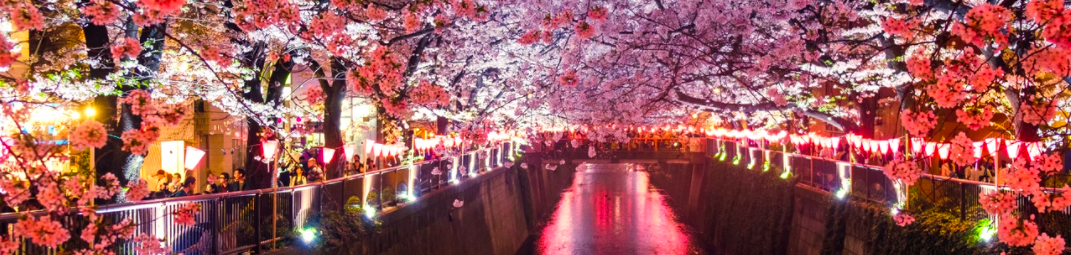
Temperatures begin to rise March through May, and this is when the cherry blossoms bloom—usually in March. Take some time to go to the park! You’ll be amazed!

June
More days than not, you can expect heavy rainfall, and perhaps some mild flash floods. For this, I suggest you buy an umbrella and some waterproof shoes—such as galoshes. If you intend on riding a bike, consider buying a poncho or water proof over-clothing. Be warned, though. The water proof clothing can only do so much. Often, because the air is so humid, the water will seep in anyway.

July-August
Hot and humid are all you can say. You will wish you had a fan with you constantly, so I suggest you carry a small one wherever you go!
I also suggest you drink a LOT of water and take lots of breaks (convenience stores almost all have AC, so consider buying a bottle of water from them, and enjoying the cool air for a few minutes).
This is also the time of year when you can expect to get hit with a few typhoons. Some may become severe, but most typhoons will just cause ridiculously strong winds and heavy rain. When a typhoon is imminent, stay indoors if possible. It’s better to be safe than sorry.
September
Congrats! You made it successfully through a Japanese summer!
October-December
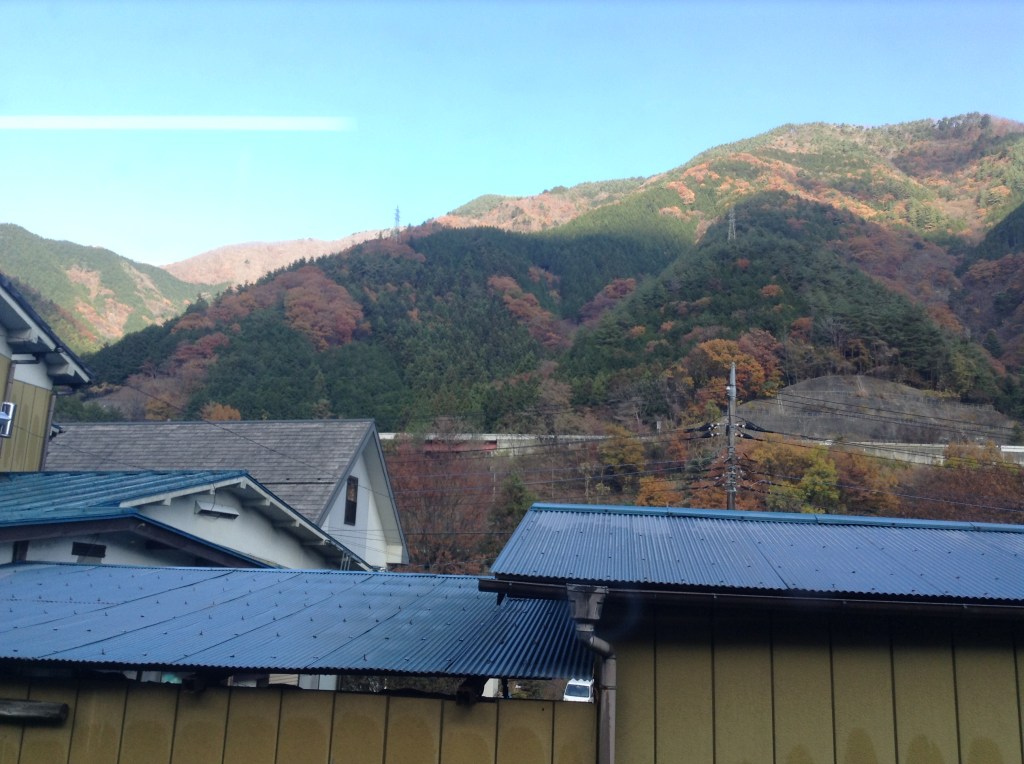
October, November, and December bring colder weather, and you’ll want to start breaking out that coat again. The leaves change color for fall, and it is especially beautiful in the mountainous areas of Japan.
And then, the whole cycle repeats itself as a new year begins!
Just to recap…
The weather is humid-cold in winter, hot and humid in the summer, and the prettiest times are spring when the cherry blossoms bloom and fall when the leaves change color. My recommendations are getting galoshes or waterproof shoes for rainy season, and a good windbreaker coat for winter!
Like what you’re reading? Get new content delivered straight to your inbox!
 Onward! Japanward!